There is something magical about slipping into the traditional attire of a country you are visiting. For a moment, the invisible barrier between tourist and local dissolves. You are not just observing a culture — you are participating in it, honoring it, becoming part of its story.
How It Started
My love for wearing national costumes began accidentally in South Korea. A friend suggested we rent hanboks to walk around Gyeongbokgung Palace, and I agreed without thinking much of it. When I put on that flowing dress, felt the way the fabric moved with me, saw myself reflected in the ancient palace walls — something shifted.
I did not feel like a tourist taking photos. I felt like a participant in a living tradition, connected to generations of Korean women who had worn similar garments for celebrations, ceremonies, and everyday life.
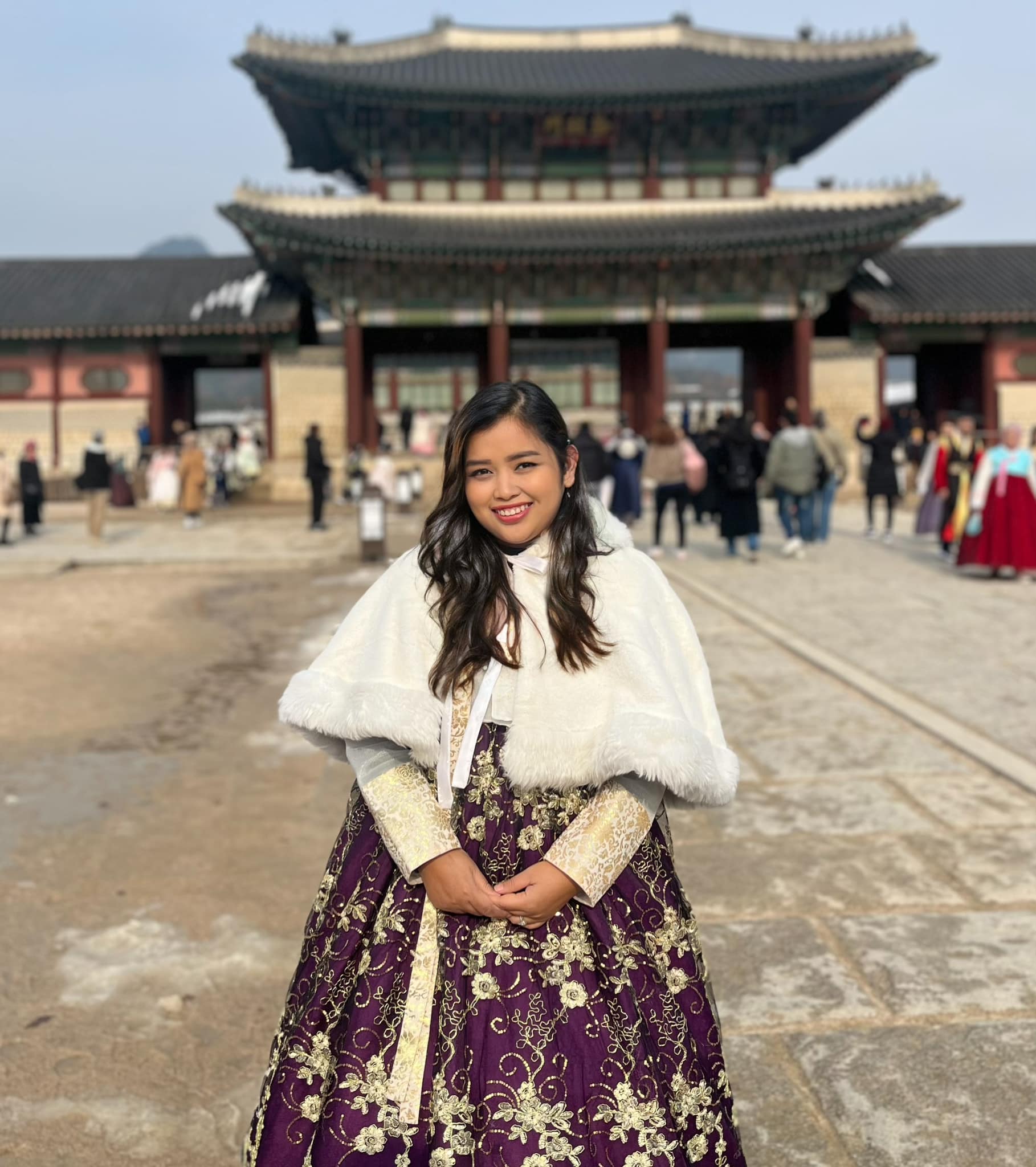
Wearing hanbok at Gyeongbokgung Palace in Seoul — where it all began
A Personal Commitment
After Korea, I made a commitment to myself: in every country I visit, if there is an opportunity to wear traditional attire, I will take it. Not as a costume or a photo opportunity, but as an act of cultural appreciation and connection.
This commitment has taken me to fabric shops and rental stores across continents. It has led to conversations with local artisans and elderly women who teach me how to wrap a sash correctly. It has given me some of the most meaningful travel experiences of my life.
Laos: The Sinh and the Sabai
In Laos, traditional attire for women consists of the sinh (a tube skirt with intricate patterns) and often a sabai (a sash draped over one shoulder). Each region has its own distinct patterns, colors, and weaving techniques — the textile is a map of identity.
I found a local seamstress who created a custom sinh for me using fabric I selected from the morning market. She showed me how to wrap it properly, how the pleats should fall, which way the pattern should face. Her patience was extraordinary — she must have adjusted the fabric twenty times until it was perfect.
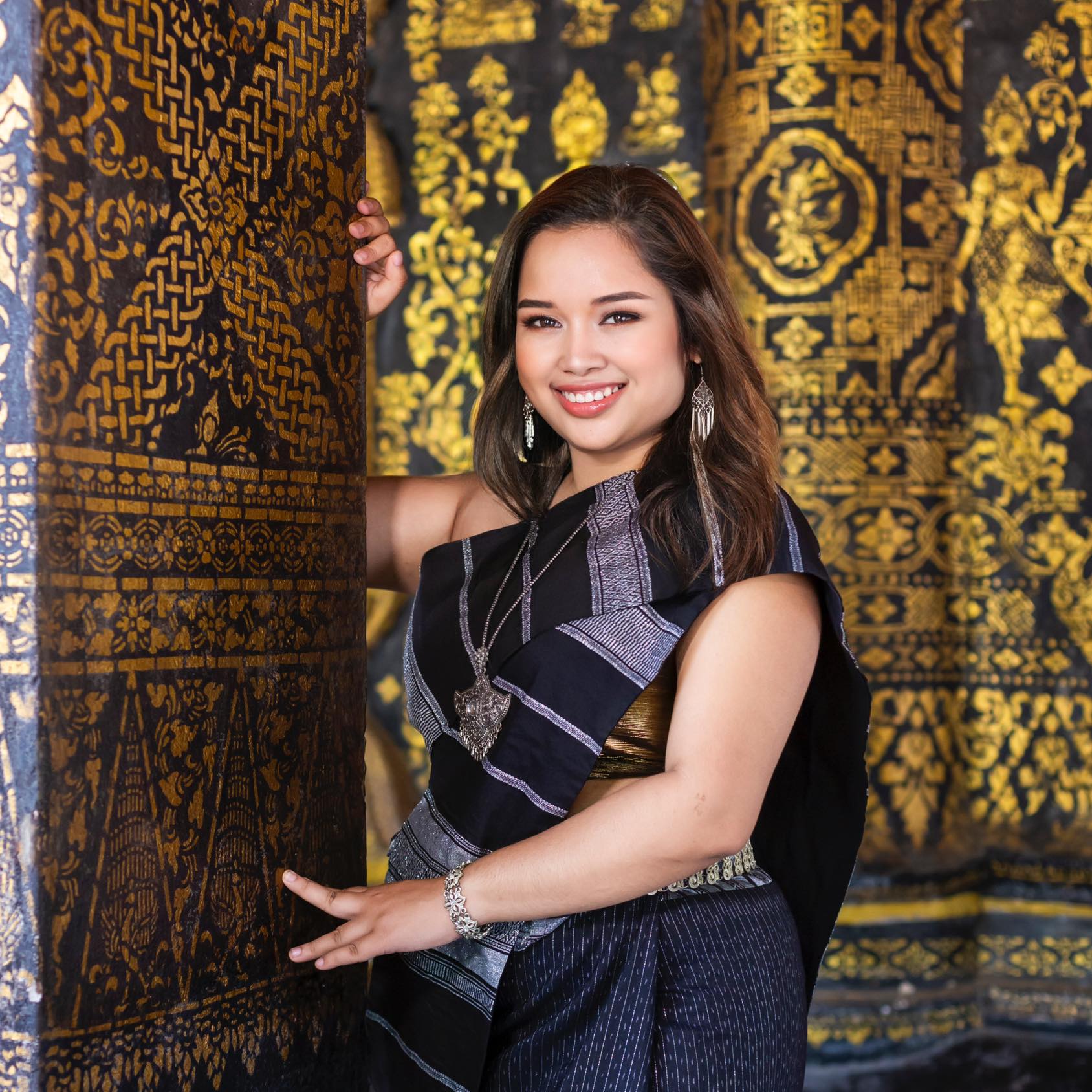
Wearing a traditional Lao sinh — each pattern tells a story of place and heritage
Supporting Local Artisans
One of the things I love most about this practice is how it supports local communities. When I rent or purchase traditional attire, the money goes directly to local businesses. When I hire a local makeup artist to help me look authentic, I am investing in their craft and their livelihood.
In many places, traditional clothing and the skills to make it are dying arts. Tourism can sometimes feel extractive — but when we actively participate in and pay for traditional experiences, we help keep these arts alive.
I always try to find local makeup artists who specialize in traditional styles. The techniques vary so much from place to place — Korean beauty aesthetics are different from Thai, which are different from Moroccan. A local artist knows the nuances, the cultural context, the way everything should come together.
More Than Dress-Up
I want to be clear: this is not about costume parties or superficial photo opportunities. I approach each experience with research and respect. I learn about the significance of the garments. I ask permission. I follow local customs about when and how certain attire should be worn.
There have been times when I decided not to wear something because the context was not right, or because I learned the garment had religious or ceremonial significance that I could not appropriately participate in.
Respect means knowing when to participate and when to simply observe.
What I Have Learned
Clothes Carry Stories
Every traditional garment tells a story — of climate and geography, of historical influences, of values and beliefs. The way a Korean hanbok flows speaks to Confucian ideals of grace and modesty. The vibrant colors of Filipino terno reflect tropical abundance. Learning these stories deepens understanding in ways that reading about culture never could.
People Open Up Differently
When you show respect for someone's culture in a visible way, they respond. Local people have stopped me on streets to compliment my attire, to help adjust a sash, to share stories about wearing similar clothes for their own celebrations. These moments of connection are priceless.
You See Yourself Differently
There is something transformative about seeing yourself in attire from another culture. It challenges assumptions about beauty, about femininity, about how bodies should be dressed. It expands your sense of what is possible, what is beautiful, what is you.
My Dream
I dream of eventually having worn traditional attire in every country I visit. I dream of a collection of photos that spans continents and cultures, each one representing a moment of genuine connection.
But more than the photos, I dream of the conversations I will have, the artisans I will support, the traditions I will help keep alive even in some small way.
If you are a traveler reading this, I encourage you to try it. Not for Instagram, but for the experience. Find a local shop, ask questions, learn the proper way to wear things. Let yourself be transformed, even temporarily, into someone who belongs.
Because in the end, is that not what travel is about? Not just seeing new places, but becoming, for a moment, part of them.
Related Reading: The Art of Slow Travel | Circumnavigating the World on a Budget | Morocco 101: Travel Guide